Solar Subsidy in UP: Amount, Eligibility & How to Apply
Solar subsidy in UP explained: ₹78,000 central plus ₹30,000 UPNEDA support, who qualifies, the application route, timeline and real cost for 1 to 5 kW.
SSolar News World Editorial Team · 6 min read
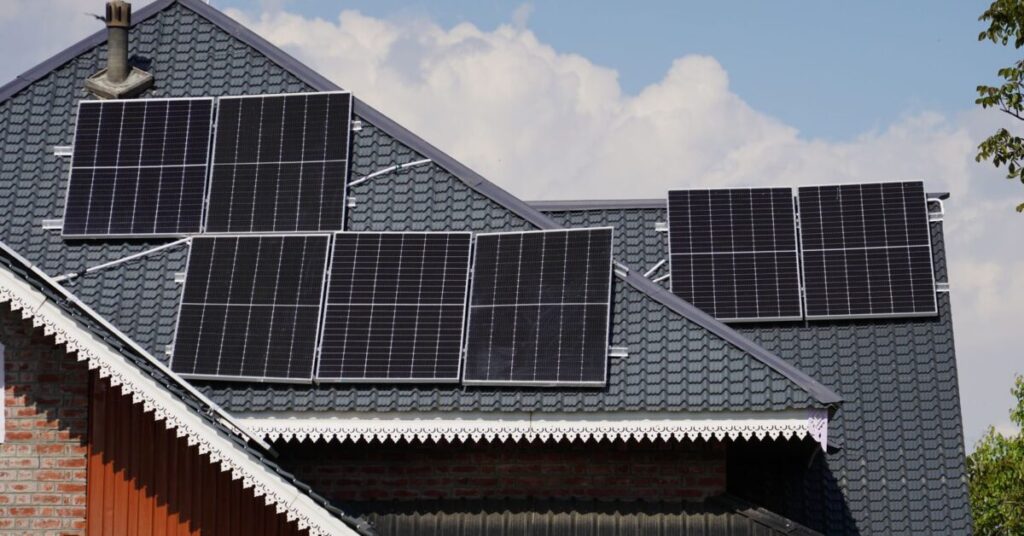
Solar subsidy in UP comes in two parts. The central government pays up to ₹78,000 under the PM Surya Ghar scheme. On top of that, the Uttar Pradesh government adds up to ₹30,000 through its energy agency, UPNEDA. Together, they can reach ₹1,08,000 for a 3 kW home system.
Few states offer this stack, so Uttar Pradesh is one of the cheapest places in India to go solar. This guide shows the amounts by system size and explains who qualifies. It also covers how to apply and what a home in Lucknow, Kanpur or Noida really pays.
Quick answer: UP residents get the central subsidy of ₹30,000 per kW for the first 2 kW and ₹18,000 for the third kW. The state adds ₹15,000 per kW, up to ₹30,000. A 3 kW system can therefore earn ₹1,08,000 in total support.
Key takeaways
- Central subsidy: up to ₹78,000. State subsidy: up to ₹30,000. Total: up to ₹1,08,000.
- The state amount is ₹15,000 per kW, capped at ₹30,000.
- UPNEDA coordinates the state support with the electricity companies of UP.
- Applying through the national portal normally covers both layers, but ask your vendor to confirm.
- A 3 kW system can cost as little as ₹72,000 after both subsidies at a ₹1.8 lakh quote.
- Size your plant first with the solar calculator.
Solar subsidy in UP by system size
| System size | Central subsidy | UP state subsidy | Total |
|---|---|---|---|
| 1 kW | ₹30,000 | ₹15,000 | ₹45,000 |
| 2 kW | ₹60,000 | ₹30,000 | ₹90,000 |
| 3 kW | ₹78,000 | ₹30,000 | ₹1,08,000 |
| 5 kW | ₹78,000 | ₹30,000 | ₹1,08,000 |
Once you cross 3 kW, neither layer pays more. So 3 kW is the sweet spot in Uttar Pradesh, just as it is nationally. Our PM Surya Ghar Yojana guide explains the central rules. The solar panel subsidy guide covers the national numbers.
What a home in UP pays after subsidy
Prices differ by city and brand. Installers publish base-variant prices, and one installer recently showed about ₹2.17 lakh for a 3 kW on-grid plant in Lucknow. The table uses a lower ₹1.8 lakh quote and a higher ₹2.2 lakh quote to show the range.
| 3 kW plant | Lower quote | Higher quote |
|---|---|---|
| Vendor price | ₹1,80,000 | ₹2,20,000 |
| Central subsidy | ₹78,000 | ₹78,000 |
| UP state subsidy | ₹30,000 | ₹30,000 |
| Net cost | ₹72,000 | ₹1,12,000 |
A 3 kW plant makes about 12 units a day. At a tariff near ₹7 a unit, it saves roughly ₹30,000 a year. So the ₹72,000 net cost pays back in about two and a half years. Even the higher quote pays back in under four.
Who qualifies in Uttar Pradesh?
The rules mirror the central scheme, with a UP connection added. You qualify if you meet all of these points.
- You hold a residential connection from a UP distribution company.
- You own the house, or the owner gives written consent.
- Your plant is grid-connected and has a net meter.
- You buy from a vendor registered with your electricity company.
- You have not claimed another solar subsidy on the same connection.
Several companies serve UP, covering Lucknow, Kanpur, Agra, Varanasi and western districts such as Noida and Meerut. Select the right one on the portal, because a wrong choice can stall your application. The name on your bill tells you which company applies.
How to apply for solar subsidy in UP
The process runs mostly online, and it follows six steps.
- Register on the national portal. Select Uttar Pradesh, your electricity company and your consumer number.
- Apply for rooftop solar. Submit your details, then wait for approval.
- Choose a registered vendor. Confirm that the vendor knows the UPNEDA process.
- Install the plant. A typical home takes one to three days.
- Apply for the net meter and inspection. The electricity company commissions the plant.
- Submit bank details. The central subsidy follows, and UPNEDA handles the state amount.
Residents who apply through the national portal usually do not file a separate state application. However, arrangements change. Ask the vendor to confirm in writing how the state subsidy gets claimed, and check the UPNEDA portal for updates.
Timeline you can expect
| Stage | Typical time |
|---|---|
| Registration and approval | A few days to two weeks |
| Installation | 1 – 3 days |
| Net meter and inspection | 1 – 3 weeks |
| Central subsidy credit | About 30 days after commissioning |
| State subsidy credit | Often slower, sometimes by a few weeks |
Delays almost always come from paperwork, not from the installation itself. If your Aadhaar, electricity bill, ownership proof and bank details are ready, you avoid most of them. For the full order of steps, see our PM Surya Ghar Yojana guide.
Loans for UP homeowners
You can borrow the part you pay upfront. Public sector banks offer collateral-free loans up to ₹2 lakh at concessional rates under the scheme. Loans up to ₹6 lakh come at rates close to home-loan pricing. At about 7 percent, a ₹2 lakh loan over ten years has an EMI near ₹2,320. That is below the monthly saving of about ₹2,500 that a 3 kW plant typically earns, so the plant can pay its own EMI. Rates and fees differ by bank, so compare at least two offers.
Practical tips for UP buyers
Uttar Pradesh has its own quirks. These tips come from how the state’s homes and weather behave.
- Check winter shade. Shadows from trees and neighbouring buildings grow longer in December.
- Plan for dust. Western UP gets heavy dust, so budget for monthly cleaning.
- Get the scope in writing. Net meter fees, structure height and warranty should appear in the quote.
- Think about load. If you run several air conditioners, consider 4 or 5 kW. Remember that the subsidy stops at 3 kW.
- Keep every receipt. Banks and agencies may ask for them later.
Frequently asked questions
How much is the solar subsidy in UP?
The total can reach ₹1,08,000 for a 3 kW system. That is ₹78,000 from the central government plus up to ₹30,000 from the state.
Is the UP state solar subsidy available for every home?
It targets eligible residential consumers in Uttar Pradesh who install grid-connected plants through the scheme. Check the current conditions with UPNEDA and your vendor, because they can change.
Do I need a separate application for the UP subsidy?
Applying through the national portal normally covers both layers. Practices change, so ask your vendor to confirm how the state amount will be claimed.
What is UPNEDA?
UPNEDA stands for Uttar Pradesh New and Renewable Energy Development Agency. It runs the state-level support for rooftop solar.
Can I get the subsidy for a 5 kW system in UP?
Yes, you can install 5 kW. However, the combined subsidy stays at ₹1,08,000, and you pay full price for the extra capacity.
How long does the UP subsidy take?
The central part usually arrives within about a month of commissioning. The state part can take longer.
Is solar worth it in UP?
For most homes, yes. With both subsidies, many 3 kW plants pay back in about two to four years, and the panels keep working for 25 years.
Making the most of the solar subsidy in UP
The solar subsidy in UP is one of the strongest in the country. It only works if you follow the order: apply, get approval, install through a registered vendor, commission and then claim. So size the plant carefully, compare itemised quotes and ask how the state amount will arrive.
Next, check what a plant will cost in our solar panel price guide. The rooftop solar calculator shows your roof’s limit. More state guides sit in the solar subsidy section, and the homepage links every tool.
Solar News World is an independent information site. It is not a government website and is not affiliated with UPNEDA, MNRE or any electricity company. Subsidy rules change, so confirm them on official portals.